




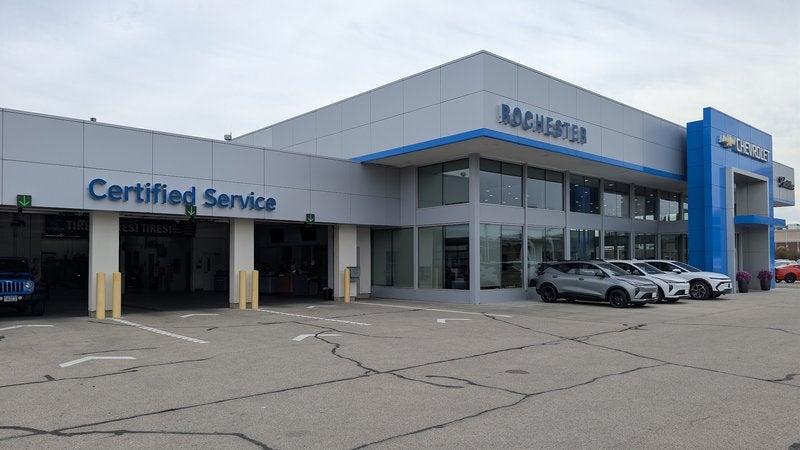
Updated November 2026 · By the Rochester Chevrolet service team
Rochester gets about 53 inches of snow in an average winter, but the cold does more damage than the snow. A battery that started fine in October can quit on the first morning below zero, and the tire pressure light tends to come on the same week. Here is the list we would go through with you in our service drive. You can handle most of it yourself on a Saturday morning, and we can take care of the rest.
The short version
- Have the battery tested if it is three or more years old. At 0°F it has only about 40 percent of its normal strength.
- Check tire pressure after the first cold snap. Tires lose about 1 psi for every 10 degree drop.
- Put on fresh wiper blades and fill up with washer fluid rated well below zero.
- Keep a small winter kit in the car: scraper, blanket, gloves, charger and jumper cables.
Start with the battery
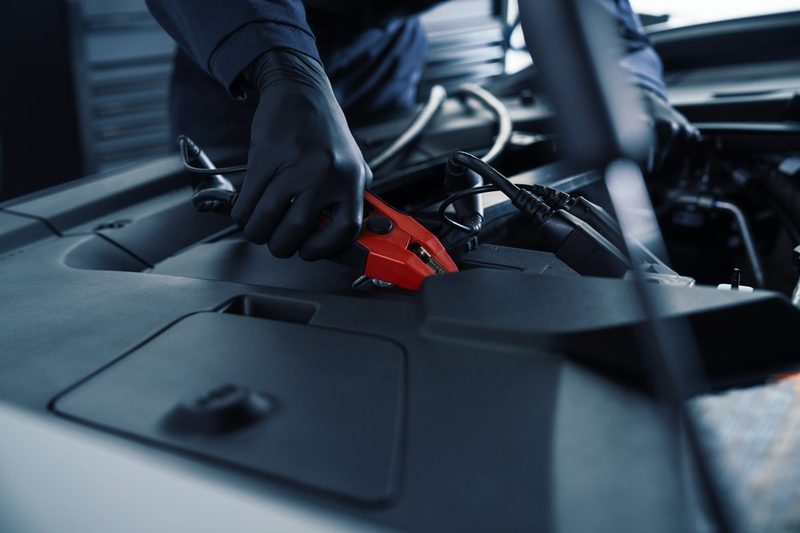
Cold slows down the chemistry inside a battery, and a cold engine needs more power to turn over. AAA's testing puts the loss at about 35 percent of a battery's strength at 32°F and about 60 percent at 0°F. That is why batteries rarely fade out slowly in winter. They work on Tuesday and leave you in the driveway on Wednesday, usually the first morning it drops below zero.
Most batteries last three to five years. If yours is in that window, have it load tested before January. It only takes a few minutes. Watch for these warning signs in the meantime:
- A slow, groaning crank on cold mornings
- Headlights that dim when the engine idles
- A battery or charging warning light on the dash
- White or green crust on the battery terminals
Our technicians test the battery and the starting system, and if it fails we can install an ACDelco battery the same visit. You can read more on our battery service page.
Check your tire pressure and tread
Cold air takes up less space. Tires lose about 1 psi for every 10 degrees the temperature drops, so tires set right on a 50 degree October afternoon can be 5 psi low on a zero degree morning. That is usually why the tire pressure light pops on during the first cold week and then goes off after a few miles of driving.
Check pressure when the car has sat for at least three hours. Use the number on the label inside the driver's door jamb, not the maximum printed on the tire. A gas station gauge works, but a small gauge in the glove box lets you check any time.
Tread depth. Put a penny in the tread with Lincoln's head pointing down. If you can see the top of his head, you are at 2/32 inch and the tires are done. For snow, use a quarter the same way. If you can see the top of Washington's head, you are under 4/32 inch, and snow traction drops off quickly from there.
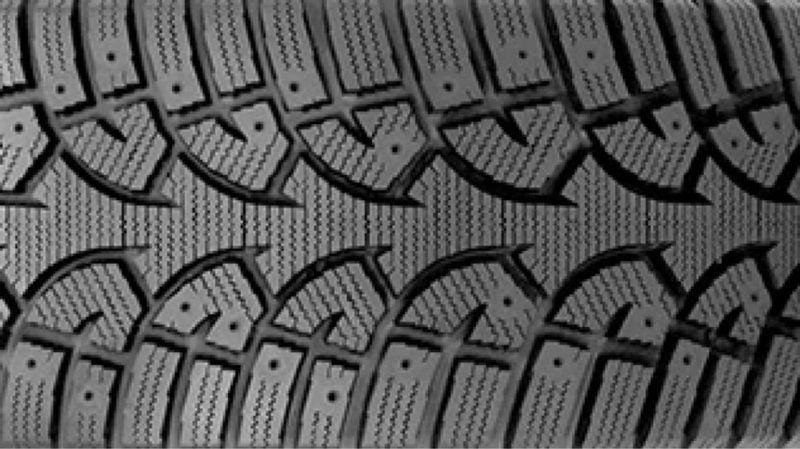
Winter tires or all-season? All-wheel drive and four-wheel drive help you get going. They do not help you stop or turn, and that is the tires' job. Winter tires use softer rubber and a tread built to grab snow and slush. Good all-season tires work for a lot of drivers here. If yours are getting thin, or you are on the road early before the plows, winter tires are worth a look. You can shop sizes and brands with our Tire Finder or read our tire basics page.
Wipers, washer fluid and lights
Salt spray on Highway 52 can gray out a clean windshield fast. Worn blades smear it around instead of clearing it. Replace blades that streak, chatter or leave a band you cannot see through. Cold, ice and scraping are hard on the rubber, so fall is a good time to swap them.
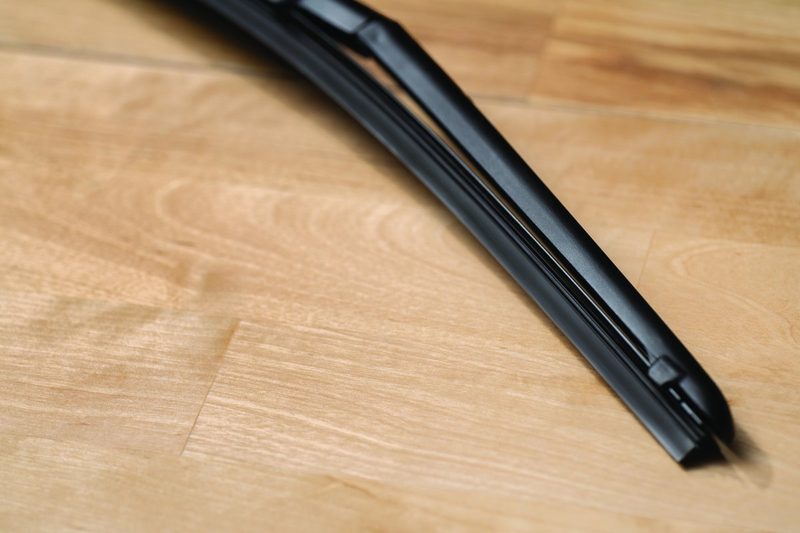
Fill the reservoir with winter washer fluid rated for well below zero. Summer fluid can freeze in the lines, and that is the moment you will need it most. While you are at it, wipe the road film off your headlights and taillights. A coat of salt makes them noticeably dimmer, both for you and for the driver behind you.
Coolant, heat and defrost
Coolant keeps the engine from freezing and also feeds your heater. With the engine cold, check that the level in the overflow tank sits between the marks. Do not open the radiator cap on a hot engine.
If the heater blows lukewarm air, or the windshield fogs up and will not clear, have it looked at before a cold snap rather than during one. Our service department handles heater and air conditioning service plus cooling system and radiator repair.
Remote start and a winter kit
If your Chevy has factory remote start, the key fob lets you start melting the frost while you finish your coffee. Many 2025 and newer Chevys also come with OnStar Basics for 8 years, which adds remote commands like remote start through the myChevrolet app on equipped vehicles. See our OnStar page for how the plans work.
Then put together a small kit that lives in the car until April:
- Ice scraper and snow brush, plus a small folding shovel
- Blanket, gloves and a hat
- Phone charging cable
- Jumper cables or a charged jump pack
- Flashlight, a bag of sand or cat litter for traction, and some water and snacks
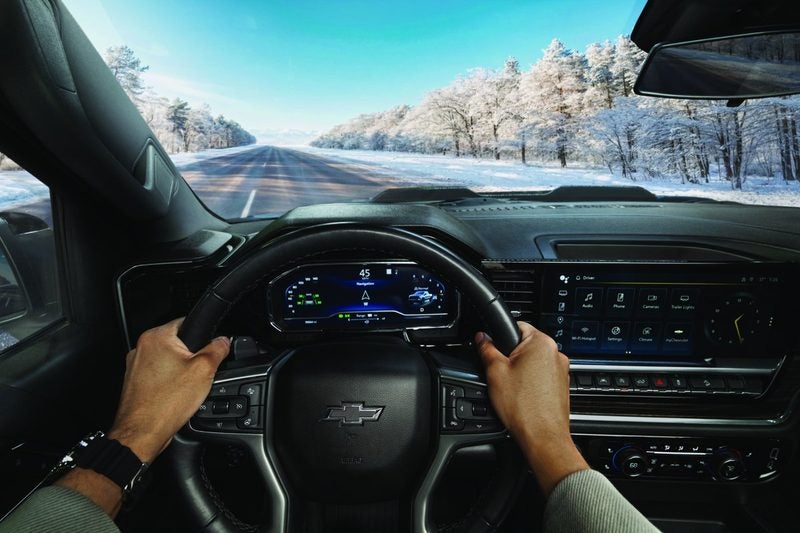
Before a longer drive, check road conditions on Minnesota 511. Driving an EV? Expect less range in the cold, and warm the cabin while it is still plugged in. Our page on Chevy EV range has more.
A quick winter checklist
| Item | What to check | When |
|---|---|---|
| Battery | Load test if 3+ years old or slow to crank | Before December |
| Tire pressure | Door jamb number, tires cold | Monthly, and after each cold snap |
| Tread depth | Quarter test for snow (4/32 inch) | Before the first real snow |
| Wiper blades | Streaks, chatter, torn rubber | Every fall |
| Washer fluid | Rated well below zero | Every fill-up, all winter |
| Coolant | Level between the marks, engine cold | Before winter |
| Lights | Clean lenses, no burned-out bulbs | Weekly in salt season |
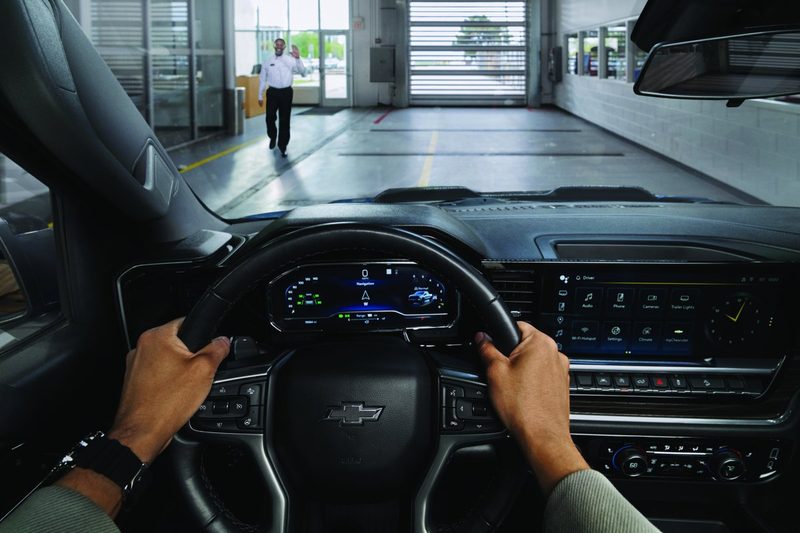
Let our service drive check it for you
If you would rather hand this off, bring it in and our technicians will go through the list with you. We work on all makes and models, not only Chevrolets. The service department is open 7 AM to 6 PM Monday through Friday and 8 AM to 4 PM on Saturday at 1000 12th Street SW.
Book a time with our online service scheduler or call 507-289-0491. Short on time? Ask about service pick-up and delivery, and check our current service specials before you come in. You can find more about the team on our Service Department page, and directions on our hours and directions page.
Winter car care questions
When should I get my car ready for winter in Rochester?
Ideally in late October or early November. Rochester's first measurable snow usually shows up in early November, and December is the snowiest month, averaging about 12 inches at the airport. If you have not done it yet, do it now. A battery test, a tire pressure check and new wiper blades take less than an hour, and they cover the three things most likely to leave you stuck on a cold morning.
How do I know if my car battery will make it through winter?
Age is the first clue. Most batteries last three to five years, so a battery in that range is worth testing before the cold sets in. A slow, groaning crank, headlights that dim at idle or a battery warning light are the other signs. A load test tells you how much starting power is left. Our technicians test the battery and starting system and can install an ACDelco replacement the same visit if it fails.
Why does my tire pressure light come on when it gets cold?
Cold air takes up less space, so your tires lose about 1 psi for every 10 degree drop in temperature. Tires set correctly on a 50 degree afternoon can be 5 psi low on a zero degree morning, which is enough to trigger the warning light. Fill them to the pressure on the label in the driver's door jamb, checked when the car has sat for a few hours. If the light keeps coming back, have the tire checked for a slow leak.
Do I need winter tires if I have AWD or 4WD?
All-wheel drive and four-wheel drive help you get moving in snow. They do not help you stop or turn, and that is where tires matter most. Winter tires use softer rubber that stays grippy in the cold and tread built to bite into snow and slush. Plenty of AWD and 4WD owners in Minnesota do fine on good all-season tires, but if yours are worn near 4/32 inch or you drive early mornings on untreated roads, winter tires are worth pricing out.
What washer fluid should I use in a Minnesota winter?
Use a winter washer fluid with a freeze rating well below zero, often labeled for minus 20 degrees or colder. Summer fluid and plain water can freeze in the reservoir and lines, which leaves you with no way to clear salt spray on the highway. Run the reservoir low on the old fluid before you switch, then fill it all the way. It is worth keeping a spare jug in the garage from December through March.
Can I remote start my Chevy from my phone?
If your Chevrolet has factory remote start, yes, through the myChevrolet app with an active OnStar plan that includes remote commands. Many 2025 and newer Chevys come with OnStar Basics for 8 years, which includes remote start on equipped vehicles. Older models may need a paid plan for app access, but the key fob still works without one. Not sure what your vehicle has? Ask at your next service visit and we will check it with you.
What should I keep in my car during a Minnesota winter?
Keep an ice scraper and snow brush, a small shovel, a warm blanket, gloves and a hat, a phone charging cable, and jumper cables or a jump pack. Add a flashlight, a bag of sand or cat litter for traction if you get stuck, and some water and snacks. Most of it fits in a plastic tote in the trunk or behind the back seat. Before a longer drive, check road conditions on the Minnesota 511 site or app.
Do electric vehicles need different winter prep?
EVs skip the oil and the 12 volt starting worries that gas engines have in the cold, but they do lose range when it is cold because the battery and cabin heat both use energy. Plan for fewer miles per charge in January than in July. Warming the cabin while the car is still plugged in uses wall power instead of battery power. Tires, wipers and washer fluid still need the same checks as any other car.
Does Rochester Chevrolet service other brands?
Yes. Our service department works on all makes and models, cars, SUVs and trucks, foreign and domestic. You do not need to own a Chevy to have us test your battery, check your tires or swap wiper blades before winter. Service hours are 7 AM to 6 PM Monday through Friday and 8 AM to 4 PM on Saturday. Call 507-289-0491 or book a time online with our service scheduler.
Ready for winter?
A battery test and a tire check take less than an hour. Pick a time that works for you, and we will have you ready before the next cold snap.
Battery figures are from AAA. Tire pressure figures are from NHTSA and GM service information. Snowfall is the NOAA 1991 to 2020 normal for Rochester International Airport. OnStar plan features and remote start availability vary by model, model year and plan. See the OnStar page or ask our service team for details on your vehicle.